
Choosing the right TV bracket is not just about screen size. It depends on the wall type, the wall type, TV weight, VESA pattern, viewing angle, cable access, and whether you want the TV to sit flat, tilt, or move.
We advise on, supply, and fit TV brackets across London, Essex, and Kent. Fixed quote before work starts.
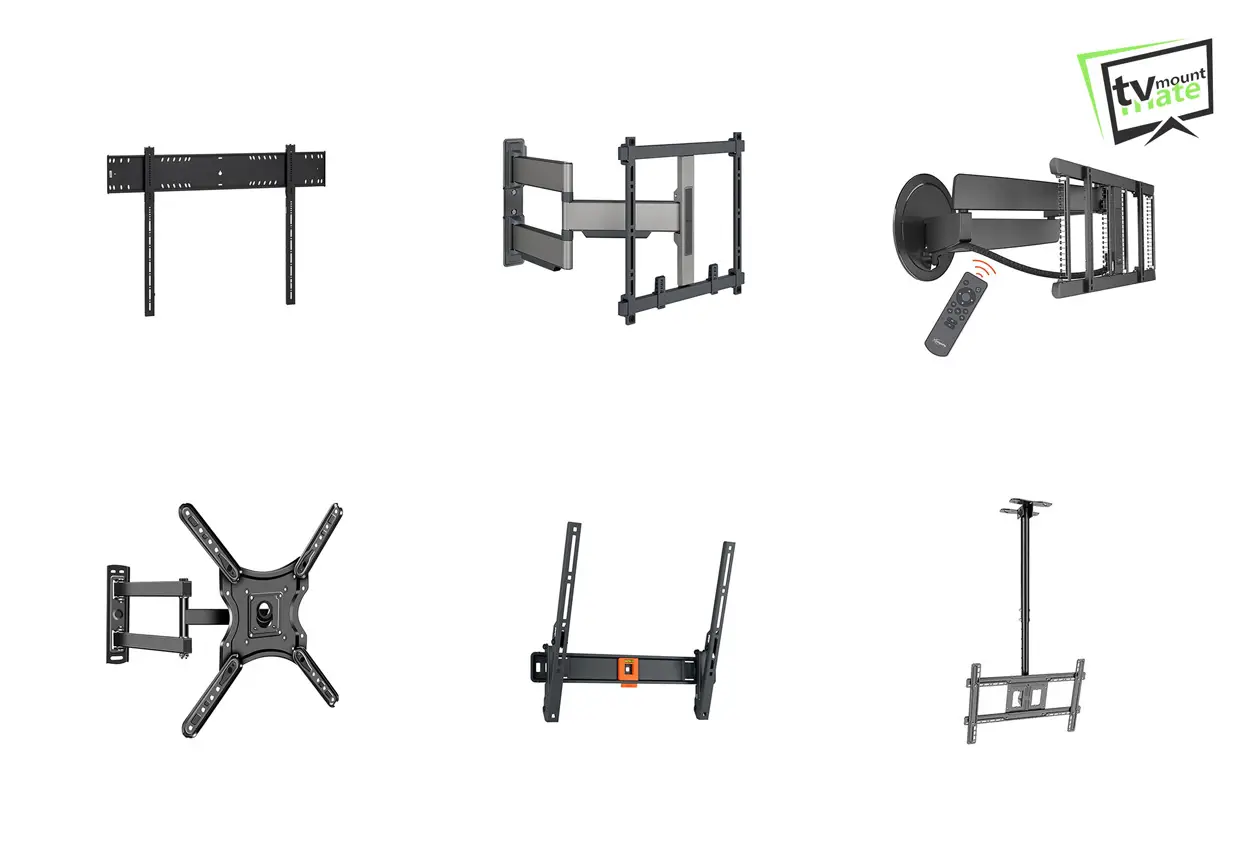
The right bracket depends on a few things working together, not just one.
We check all of this before recommending a bracket, rather than assuming one type suits every room.
Each bracket offers different benefits. Compare the most common options to see which one best suits your TV and room layout.
Good for a clean, flat finish. Best when the sofa is directly in front of the TV. Usually a good fit for bedrooms, living rooms, and gallery-style setups. Gives less cable access behind the TV once fitted.
Good when the TV sits higher than eye level. Useful for bedrooms and above-fireplace installs. Can reduce glare and improve the viewing angle.
Good for corner positions and open-plan rooms. Allows the TV to pull out and turn. Needs a strong wall, because the arm pulls weight away from the wall as it extends. We do not recommend full-motion brackets on weak plasterboard, weak brick, or crumbling walls unless the wall can be made safe for the load.
Useful when the TV needs to turn further or reach around a corner. Because the arm creates more pull on the wall, long-arm brackets need strong fixing points into solid brick, blockwork, or suitable timber studs.
The best TV bracket for plasterboard walls depends on the stud position, TV size and bracket type.
A fixed or tilt bracket is often easier to support because it keeps the TV close to the wall. A full-motion or swivel TV bracket can work on some plasterboard walls, but the wall, stud position, TV weight and bracket arm must be checked first because the arm creates extra pull on the fixing points.
If your TV is being mounted on a stud wall, do not choose the bracket by style alone. The cavity depth, stud spacing, wall condition and screen weight all need to be checked first, because these details decide which bracket and fixing method will be safe.
We do not rely on the small standard plugs that come supplied with many TV brackets. We check the wall first and choose the fixing method based on the real wall structure behind it, not just how the wall looks from the front.
For more on plasterboard fixing methods and wall safety, see our TV Mounting on Plasterboard Walls guide →
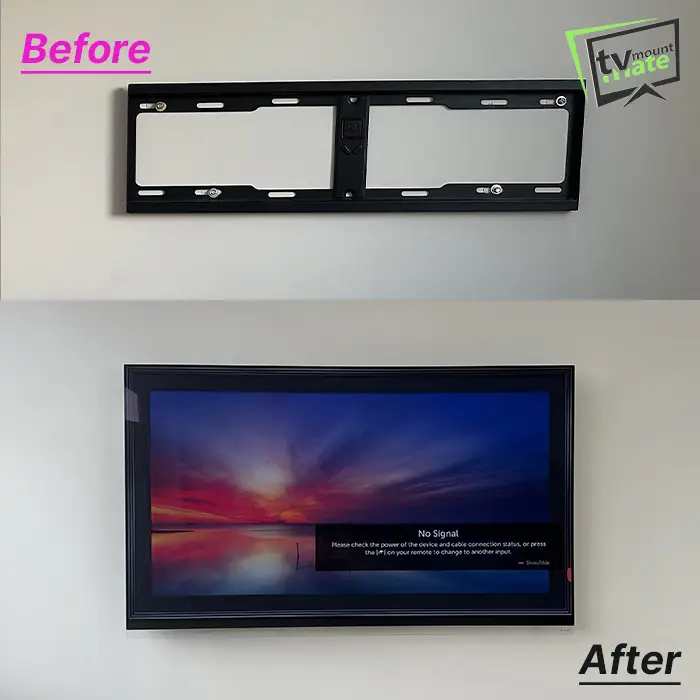
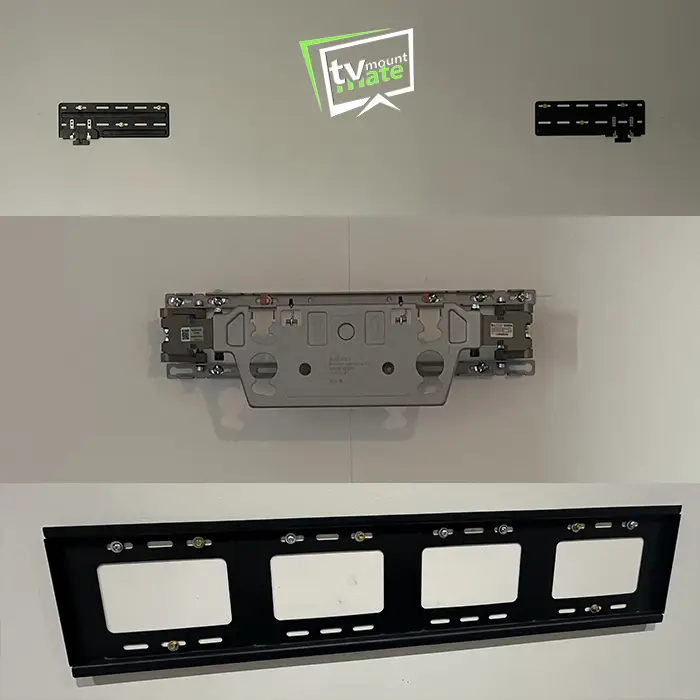
Different walls need different fixing methods. We choose the bracket and fixings based on the wall, not just the TV.
Most bracket types can work when the brick is sound. Mortar joints should be avoided as fixing points. Full-motion brackets need secure fixing points to handle the extra pull.
There is a hidden gap behind the plasterboard on these walls. The fixing must account for that gap and reach the solid wall behind it. A fixed or tilt bracket usually puts less pull across the gap. If a full-motion bracket is needed, the fixing method must be chosen carefully after checking the wall.
The bracket should be fixed into the timber studs wherever the bracket layout allows it. If the stud spacing does not match the bracket, we explain the safest option before fitting anything. Full-motion brackets need extra care here, and TV size and bracket width both matter to the final fixing layout.
These need specialist checking and fixing. Not every bracket suits every metal stud wall, so we assess this on site.
65-inch, 77-inch, 85-inch, and 100-inch TVs all need careful bracket choice. OLED TVs are slim and need careful handling during fitting. Samsung Frame TVs need a neat, gallery-style finish that sits close to the wall. Sky Glass and other heavy TVs need their weight checked carefully before we commit to a bracket.
Larger TVs often need a wider bracket or more fixing points to spread the load properly. The bracket has to match the TV size, weight, and VESA pattern, not just look right for the screen.
65-inch, 77-inch, 85-inch, and 100-inch TVs all need careful bracket choice. OLED TVs are slim and need careful handling during fitting. Samsung Frame TVs need a neat, gallery-style finish that sits close to the wall. Sky Glass and other heavy TVs need their weight checked carefully before we commit to a bracket.
Larger TVs often need a wider bracket or more fixing points to spread the load properly. The bracket has to match the TV size, weight, and VESA pattern, not just look right for the screen.
Above-fireplace TV mounting often needs a tilt bracket, full-motion bracket, or motorised bracket, depending on the height and room layout.
A tilt bracket can help angle the screen down toward the seating position. A full-motion bracket can help in some rooms, but it needs a strong wall behind it. A motorised bracket may help where viewing height is the main issue and a fixed tilt is not enough. Heat direction, wall type, and cable route all need checking first.
For more on above-fireplace installs, see our TV Mounting Above Fireplaces guide →
Yes. We can supply fixed, tilt, full-motion, and long-arm brackets as part of your installation.
If you already have a bracket, we will check it suits your TV and wall before fitting it. If the bracket is wrong or unsafe for the wall, we will explain this before drilling rather than forcing it to fit.
Brackets and small accessories can be included in your fixed quote. See TV Mounting Add-ons London →
Find answers to the questions we are most often asked about TV brackets, wall types, and choosing the right installation.
The best TV bracket for plasterboard walls depends on the stud position, cavity depth, TV size, bracket type and fixing method. Fixed and tilt brackets are often easier to support because they keep the TV close to the wall. Swivel and full-motion brackets can work on some plasterboard walls, but they need extra care because the arm pulls the weight away from the wall. We check the wall first before advising, and in some cases a fixed or tilt bracket is the safer choice.
A swivel or full-motion TV bracket can work on some plasterboard walls, but the wall must be checked first. This type of bracket puts more pressure on the wall than a flat bracket. We check the wall structure, stud position, TV weight and bracket arm before advising.
Most fixed, tilt, and full-motion brackets can work on brick if the brick is sound. The fixing points matter most. We avoid weak mortar joints and check the wall before drilling.
Dot-and-dab walls need extra care because there is a gap behind the plasterboard. The bracket and fixing method must account for that gap. A fixed or tilt bracket usually puts less pull across the gap. If a full-motion bracket is needed, we check the wall first and choose the fixing method before drilling.
Yes. We can supply fixed, tilt, full-motion, and long-arm TV brackets as part of the installation. If you already have a bracket, we will check it before fitting.
A fixed bracket keeps the TV close to the wall. A tilt bracket lets the screen angle down. A full-motion bracket lets the TV pull out and turn. The best choice depends on your room, wall, and viewing position.
Yes. Large OLED TVs need careful handling and the right bracket. We check the TV size, weight, VESA pattern, and wall type before fitting.
You can, but it is better to check first if you are unsure. Send your TV model and a photo of the wall, and we can advise on what type of bracket will work best before you buy one.
Explore related services and guides to help you choose the right bracket, understand your wall type, and plan your installation.
No deposit. Pay on completion. Fixed price before any work begins.