
Moving a wall-mounted television involves two installations: removal from the old wall and assessment of the new wall before remounting. The television, bracket and cables may be reusable, but the old fixings, height and cable arrangement should not automatically be copied.
Transport must also be planned separately. In the real NW3-to-SE8 move covered below, TV Mount Mate dismounted the television at the old address and remounted it after professional movers had delivered it to the new home.
This guidance is based on more than 10 years of hands-on TV mounting and over 6,000 completed installations.
How Should a Wall-Mounted TV Be Removed?
Disconnect the power and connected equipment first. Label the cables and photograph the television’s rear connections if the arrangement is complicated. This makes reconnection easier at the new address.
Check how the television engages with the bracket before lifting. Different mounts use locking screws, pull cords, clips or latches, and forcing the screen without releasing them can damage the television or bracket.
The television’s handling instructions determine how many people are required. A large or awkward screen should not be treated as a one-person lift simply because one person managed it previously.
What Should Happen to the Old Fixing Holes?
Making good the old fixing points depends on the wall, fixing and decorative finish. Some anchors can be removed without causing significant damage, while forcing others out may enlarge the hole or damage plasterboard.
Filling may need to be followed by sanding, priming and repainting. A decorator may be needed when an exact paint finish is expected. Tenants should also check their agreement and any written permission for reinstatement requirements.
How Should the Television Be Transported?
Check the handling instructions for the exact television. Many manufacturers advise using the original box and packing materials where possible, disconnecting all cables and keeping the television upright during transport. For example, LG’s television handling guidance recommends original packaging, upright transport and protection from jolts and excessive vibration.
Do not assume that blankets alone provide the same protection as the original packaging or a purpose-made television moving box. Avoid pressure on the screen and make sure other items cannot fall or lean against it. If professional movers are handling the transport, tell them the television model and whether its original packaging is available.
Should the Bracket Stay at the Old Property?
If the property is being sold in England or Wales, confirm whether the bracket is included or excluded rather than assuming. The Law Society’s TA10 form is used by sellers to identify what is included and excluded from the sale.
If the property is rented, check the tenancy agreement, written permission and any requirement to make good the wall. The bracket may belong to the tenant, but that does not remove the obligation to follow the agreed alteration and repair terms. Our rented-flat TV mounting guide covers this in more detail.
Can the Same Bracket Be Used in the New Home?
Often, yes, provided the bracket remains undamaged and is still compatible with the television. Check its VESA pattern, weight rating, mounting screws, wall plate and locking parts. If the television is also being replaced, assess compatibility again rather than assuming the old bracket will fit.
The new wall still needs its own fixing method. Old plugs, anchors or screws should not automatically be reused. The bracket’s wall plate must also work with the desired television position, sockets, cables and available fixing points. See our guide explaining whether any TV wall mount fits any television.
Check the New Wall Before Drilling
The new wall should be treated like a first-time installation. Identify whether it is brick, concrete, hollow plasterboard, a timber or metal stud wall, or dot-and-dab over masonry. Check its condition and the fixing positions available to the bracket.
Sockets, possible electrical cables and water-pipe routes also need attention. A detector can help, but it cannot guarantee that every concealed service has been identified. The HSE advises checking both sides of a wall, consulting plans where available and stopping when doubt remains.
Should the TV Be Remounted at the Same Height?
Only when the old position worked and the new room has a genuinely comparable viewing arrangement. Sofa height, viewing distance, screen size, furniture, soundbars, windows and glare can all change the preferred position.
Mark the screen outline and check it from the main seat before drilling. Our TV mounting height guide explains how to agree the final position.
A 50-Inch TV Moved From NW3 to SE8
On 3 April 2026, I dismounted a 50-inch television from a plasterboard wall in NW3. Professional movers then transported the television to the customer’s new home in SE8. I attended the new address afterwards to remount it.
The same television and wall bracket were reused. The old plasterboard fixings were not transferred to the new property because the new wall was brick and needed a fresh fixing assessment.
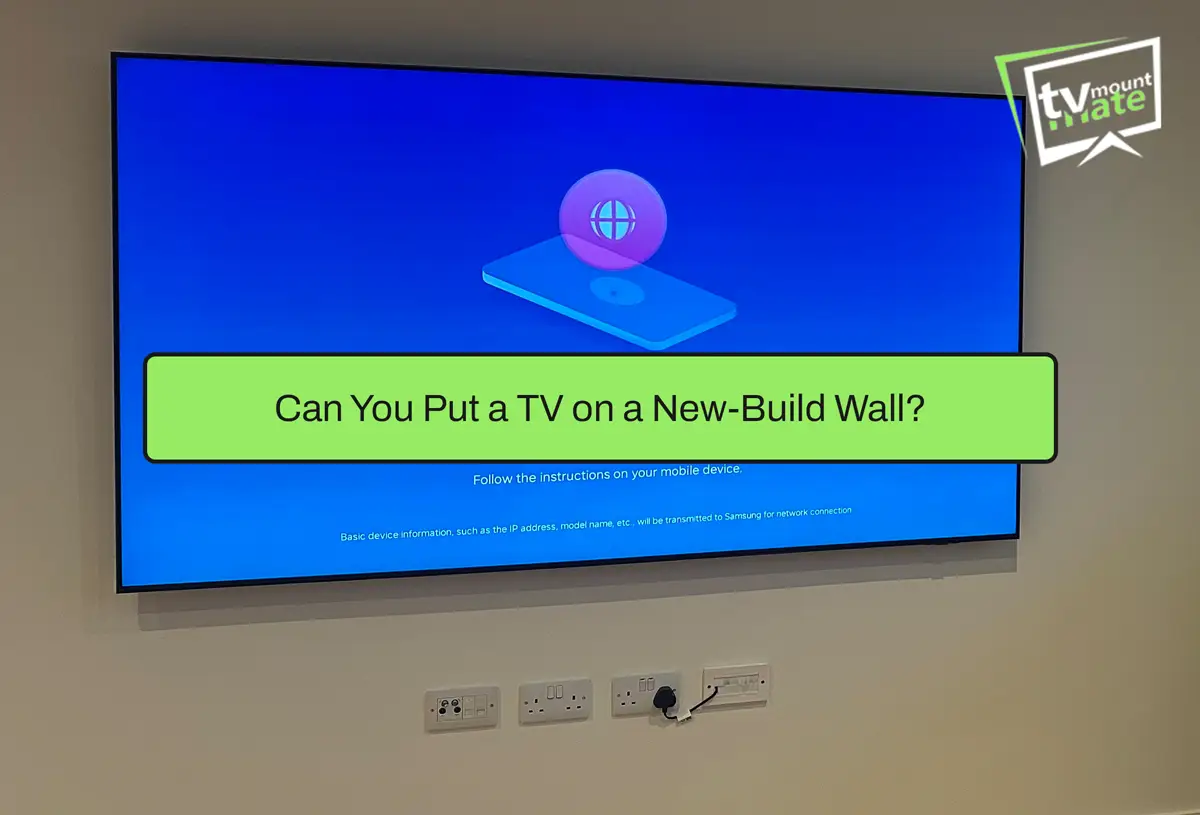
I secured the bracket using Fischer wall plugs and M8 Turbo Coach screws selected for that inspected brick wall. The exact plug model, screw length and quantity were not recorded, so those details should not be treated as a fixing specification for another wall.
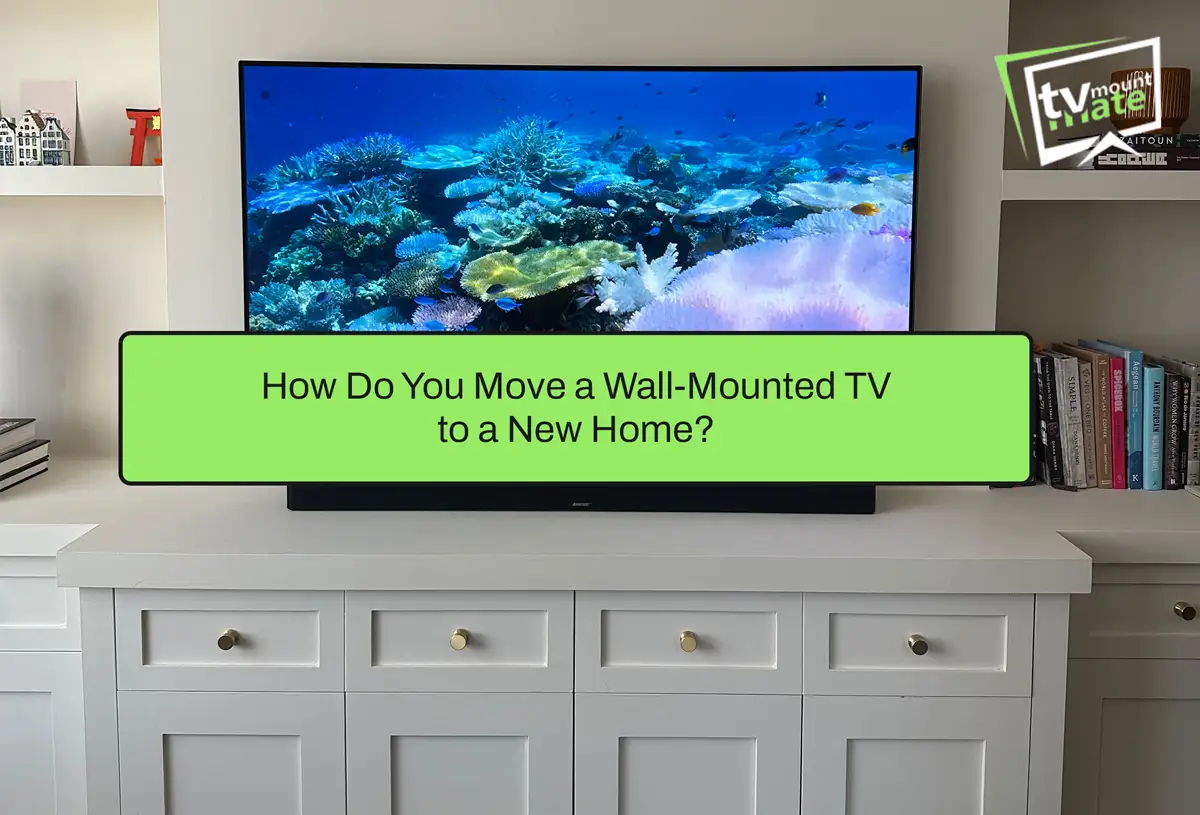
The customer wanted the television at the same height. I checked the new room and seating before retaining it, rather than copying the old measurement automatically. The soundbar was positioned below the television and the equipment was reconnected.
The completed television was level, working and centred between the built-in shelving.
Frequently Asked Questions
Often, provided it remains undamaged, fits the television and suits the new position. The new wall will still require its own fixing assessment.
This article's NW3-to-SE8 customer used professional movers for transport. TV Mount Mate handled dismounting at the old property and remounting at the new address.
Follow the exact manufacturer's instructions. Original packaging or a purpose-made television box is preferable, and many manufacturers instruct owners to keep the screen upright and protected from pressure, impacts and vibration.
Do not assume either way. Confirm whether the bracket is included or excluded in the property-sale paperwork and obtain advice from the conveyancer if anything is unclear.
Yes. Wall construction, condition, fixing positions and possible concealed services must be assessed at the new address.
Only if the old height worked and the new seating and room layout are genuinely comparable. Check from the main seat before drilling.
Recheck the bracket's VESA pattern, weight rating, mounting screws and clearance against the new television. Compatibility with the old screen does not prove compatibility with the replacement.
Get a Fixed Quote for Dismounting and Remounting
Send both postcodes, the television make, model and size, bracket details and photographs of both walls. Explain whether you need dismounting, remounting or both, and confirm who will transport the television between the properties.
TV Mount Mate provides professional TV wall mounting across Greater London and selected areas of Essex and Kent. You will receive a fixed quote before booking, with no deposit and payment on completion.
About the Author
Written by: TV Mount Mate
Based on more than 10 years of hands-on TV wall mounting and over 6,000 completed installations.